Jungle Animal Coloring Pages for Kids: Explore the Wonders of the Wild
Jungle Animal Coloring Pages for Kids offer far more than just a way to keep little hands busy. They open a doorway into one of Earth's most vibrant ecosystems, inviting children to learn about wildlife, develop creativity, and practice mindfulness—all while having fun. Whether you're a parent looking for screen-free entertainment, a teacher planning a rainforest unit, or a self-publisher building a high-content book business on platforms like Amazon KDP, understanding the full value of these pages can transform how you use them. This article explores everything from the educational benefits and practical applications to the business opportunities behind a 110-page collection of jungle animal designs.
What Makes Jungle Animal Coloring Pages So Captivating?
Jungles are naturally mysterious and full of life. When children pick up a coloring page featuring a prowling jaguar, a swinging monkey, or a brightly feathered macaw, they instantly connect with a world that feels both exotic and familiar. The sense of adventure that comes from coloring a tiger hiding among leaves or a snake coiled around a branch sparks curiosity. This isn't just about filling spaces with color—it's about storytelling and discovery.
These coloring pages also serve an important developmental role. The act of choosing colors, staying within lines, and completing a picture strengthens fine motor skills, hand-eye coordination, and focus. For younger children, naming the animals and imitating sounds builds vocabulary and early literacy. Older kids can learn about habitats, food chains, and conservation through guided discussions while they color.
Learning About Biodiversity Through Art
From the forest floor to the canopy, jungles are layered with life. A well-designed coloring book introduces children to species they might never see in person: sloths, toucans, jaguars, capybaras, tree frogs, and butterflies. Each page becomes a mini-lesson in biodiversity. As children color, they can ask questions: Why is the parrot so colorful? Where does a sloth sleep? How does a snake move without legs? These natural inquiries lay the foundation for deeper scientific thinking.
Geography and Culture Connections
Jungle animal pages also open conversations about geography. The Amazon, the Congo Basin, the jungles of Southeast Asia—each region has unique wildlife. Parents and educators can pair coloring activities with maps, short videos, or stories from indigenous cultures. This interdisciplinary approach makes learning more memorable and meaningful.
Social-Emotional Benefits
Coloring is a calming, meditative activity. For children who feel anxious or overwhelmed, focusing on a detailed jungle scene can reduce stress. Completing a page gives a sense of accomplishment and builds confidence. Group coloring sessions—whether in a classroom or at home—encourage sharing, cooperation, and conversation.
Inside a Premium Collection: 110 Jungle Animal Coloring Pages
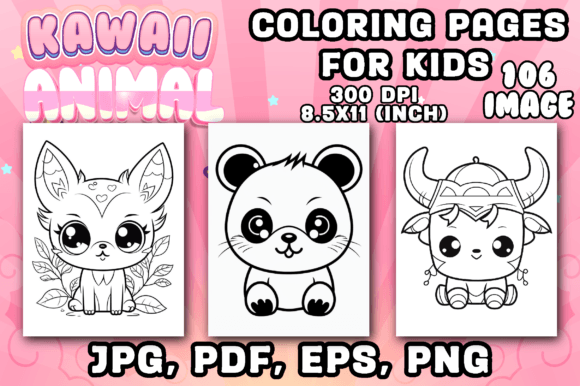
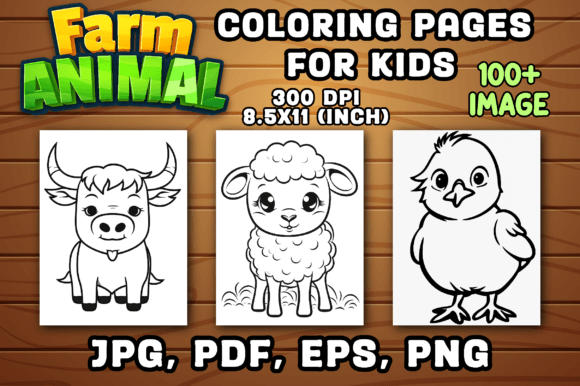
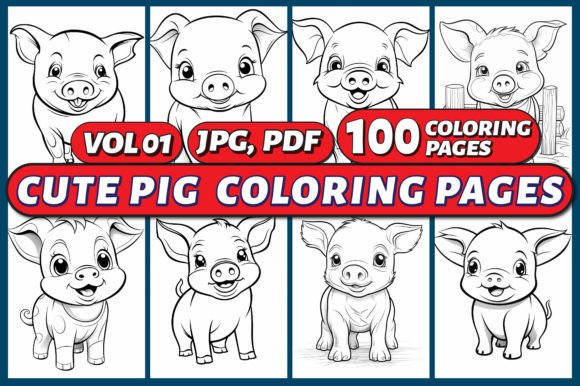
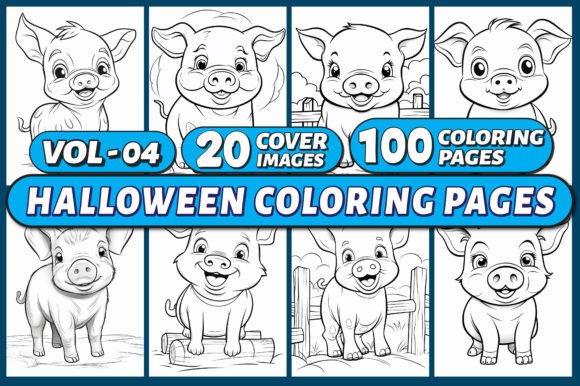
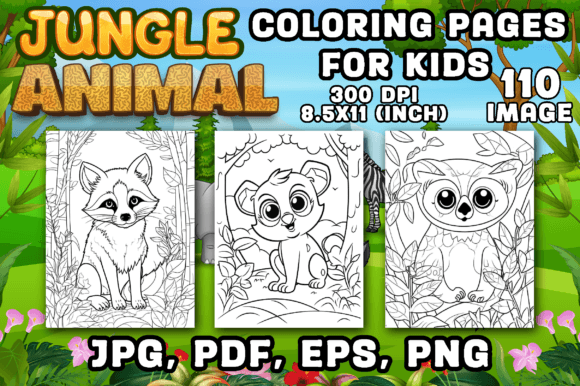
A comprehensive collection like the 110 Jungle Animal Coloring Pages for Kids is designed to offer variety, depth, and usability. Let's take a closer look at what makes such a resource valuable for both users and publishers.
What's Included in the Download
- Size: A4 (8.5 × 11 inches) – perfect for standard printers and easy handling.
- Total Pages: 110 unique jungle animal coloring pages, ready to use.
- File Formats Provided:
- EPS (print-ready vector file)
- PDF (print-ready)
- JPG (300 dpi, print-ready)
- PNG (300 dpi, print-ready)
- Usage Rights: Licensed for selling on Amazon Kindle Direct Publishing (KDP).
This level of detail is crucial for publishers who want a professional, ready-to-upload product. The 300 dpi resolution ensures crisp lines and clear images, even when printed at home or through a commercial service. The variety of file types gives flexibility for digital use, print-on-demand, or even incorporating pages into classroom handouts.
Who Is This Collection For?
- Parents and caregivers looking for educational, screen-free activities.
- Teachers and homeschoolers building a rainforest or animal unit.
- Daycare and after-school programs needing quiet-time resources.
- Self-publishers building a high-content book business on KDP.
- Art therapists and child counselors who use coloring as a therapeutic tool.
Practical Tips for Using Jungle Animal Coloring Pages
To get the most out of these pages, consider a few simple strategies that can turn a single coloring session into a rich learning experience.
Create a "Jungle Explorer" Kit
Pair the coloring pages with crayons, colored pencils, and a few nonfiction books about jungle animals. Add a magnifying glass, a notebook for "field notes," and a small world map. Let children pick a new animal each day, color it, and then research one fun fact about it. This extends the activity and builds research skills.
Use Pages as Conversation Starters
Ask open-ended questions while your child colors: What do you think this animal eats? Why do you think it has those stripes? How does it stay safe from predators? This encourages critical thinking and language development.
Incorporate into Classroom Centers
Teachers can use jungle coloring pages in art centers, science stations, or calm-down corners. They work well as early-finisher activities or as part of a larger project, like creating a class mural of a rainforest.
Build a Portfolio or Book
Collect completed pages in a binder or bind them into a "My Jungle Journal." Children take pride in seeing their progress over time. This also makes a wonderful gift for grandparents or a keepsake for years to come.
The Business Side: Why 110 Pages Is a Smart Count for KDP
If you're a self-publisher, you likely know that Amazon KDP rewards completeness and value. A collection of 110 jungle animal coloring pages hits several strategic sweet spots:
- Perceived value: Customers feel they're getting a substantial product. 110 pages is large enough to justify a competitive price point while still being manageable for a child to work through over weeks or months.
- Low competition keyword space: "Jungle animal coloring pages for kids" is a specific, high-intent keyword phrase. Combining it with a large page count appeals to buyers looking for comprehensive resources rather than thin books.
- Print-friendly dimensions: A4 size (8.5×11″) is standard for print-on-demand and familiar to most users.
- Ready-to-upload files: With EPS, PDF, JPG, and PNG options, you can upload directly without additional design work. This saves hours of formatting.
It's important to note that this collection is licensed exclusively for Amazon KDP, which means you can use it within that ecosystem without worrying about rights issues. For anyone building a high-content book business, having a tested, ready-to-go product like this reduces the barrier to entry significantly.
Common Misconceptions About Coloring Books for Kids
Let's clear up a few myths that might hold parents or educators back from embracing these resources fully.
Myth 1: Coloring Stifles Creativity
Some worry that coloring within lines limits a child's artistic expression. In reality, coloring pages provide a structured starting point. Children still make countless choices: which colors to use, how to blend them, whether to add background details. The structure actually supports creativity by reducing the pressure of a blank page.
Myth 2: Coloring Is Only for Young Children
Jungle animal pages with realistic details, patterns, and backgrounds appeal to older kids and even adults. Coloring can be a relaxing, meditative hobby for all ages. The 110-page collection includes enough variety to engage children from preschool through early elementary—and beyond.
Myth 3: All Coloring Books Are the Same
Quality varies hugely. Low-resolution images, thin paper, and repetitive designs frustrate users. A professional collection with 300 dpi files, varied compositions, and a range of animals offers a premium experience that keeps children coming back.
How Jungle Animal Coloring Pages Fit into Modern Life
Today's families and educators face a constant challenge: balancing screen time with hands-on activities. Coloring books offer a tactile, offline experience that supports focus and reduces digital fatigue. They're portable—great for car rides, waiting rooms, and quiet afternoons at home. In classrooms, they support differentiated instruction and can be used across subjects.
For adults, the rise of adult coloring books shows that this isn't just a childhood pastime. Many parents enjoy coloring alongside their children, creating a shared quiet activity that strengthens relationships. Jungle themes, in particular, appeal because they're visually rich and endlessly fascinating.
From a business perspective, the print-on-demand model has made publishing a coloring book easier than ever. With a quality collection of files and a clear niche (jungle animals), even a first-time publisher can launch a product that meets real demand.
Final Thoughts: More Than Just a Coloring Book
Whether you're a parent seeking a meaningful activity for your child, a teacher planning a memorable lesson, or an entrepreneur building a KDP business, Jungle Animal Coloring Pages for Kids offer a gateway to learning, creativity, and discovery. The 110-page collection is more than just a set of illustrations—it's a tool for growth, a source of calm, and a celebration of the wild world around us.
By choosing high-quality, thoughtfully designed pages, you're not only providing hours of entertainment but also fostering a lifelong appreciation for nature and art. So grab your crayons, pick a page, and let the adventure begin. The jungle is waiting—and it's full of color.
Ready to start your journey? Whether you're coloring for fun or publishing for profit, these pages are designed to inspire. Explore the wonders of the wild, one page at a time.