KDP Summer Planner for Kids for Canva
Creating a structured yet flexible summer experience for children is rarely as simple as it sounds. Many parents, educators, and content creators search for tools that combine visual appeal with practical functionality, especially when preparing materials for Amazon KDP. The KDP Summer Planner for Kids for Canva offers a complete interior that balances playful design with thoughtful organization, making it a strategic asset for anyone looking to publish a planner that resonates with families.
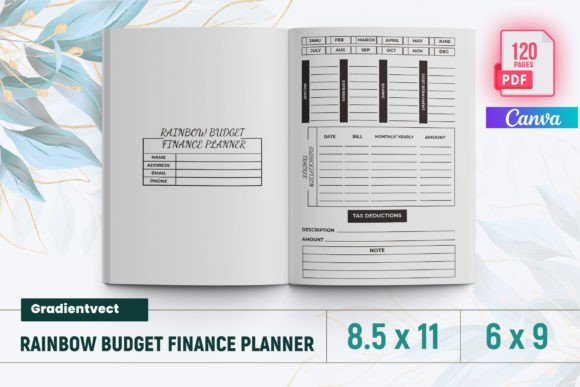
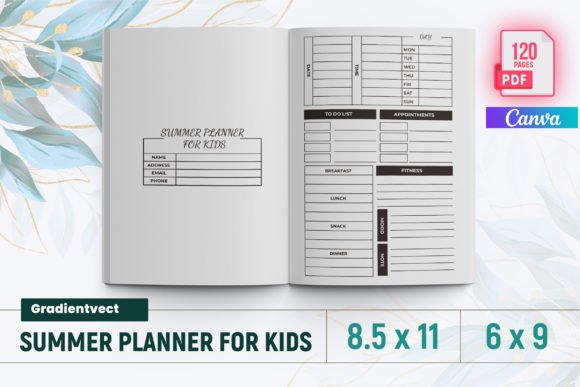
This specific interior includes 120 total pages, formatted at 6 x 9 inches and 8.5 x 11 inches, with bleed-ready files tested on Amazon KDP. It comes with editable Canva templates, PNG and JPG files, and a range of pages from daily checklists to vision boards. But beyond the technical specifications, the real question is how this planner can support your goals, whether you are a publisher, a parent, or a small business owner creating resources for others.
Why a Summer Planner for Kids Demands Strategic Thinking
A summer planner is not merely a collection of lists and trackers. For children, it represents a bridge between unstructured time and productive habits. For the adults creating or purchasing it, the planner serves as a tool for teaching time management, goal setting, and reflection. The KDP Summer Planner for Kids for Canva addresses this need by offering sections that go beyond basic scheduling.
Consider the "My Daily Checklist" and "Chores List" pages. These are not simple checkboxes. They are instruments for building routine and responsibility. When a child marks off tasks each day, they learn cause and effect: effort leads to accomplishment. For a publisher, including these pages signals that the planner is designed with developmental psychology in mind, not just decoration.
The "Summer List" and "My Bucket List" pages encourage forward thinking. Children articulate what they want to experience or achieve, which fosters intention rather than passive consumption of summer days. This is where the planner moves from being a passive record to an active planning tool. The "All About Me" page allows for self-expression, while "Daily Planner" and "Weekly Planner" pages introduce the concept of time blocking at an age-appropriate level.
For KDP Publishers and Content Creators
If you are publishing on Amazon KDP, the KDP Summer Planner for Kids for Canva provides a ready-to-upload interior that has been tested for quality assurance. The 120-page count gives you a robust product that can be priced competitively while offering genuine value. The inclusion of editable files means you can customize the interior to match your brand, adding your own color schemes, fonts, or additional pages.
The "Belongs To" page adds a personal touch, making the planner feel like a gift rather than a generic template. The "Book Review" and "Movies To Watch" pages tap into summer entertainment, giving children a place to record their opinions and recall details, which supports comprehension and memory skills. For your customers, these pages differentiate your planner from a simple activity book.
For Parents and Homeschooling Educators
Summers often bring a tension between allowing freedom and maintaining some structure. A planner like this gives children ownership over their time without requiring constant parental oversight. The "Weekly Meal Plan" page, for example, can involve children in meal decisions, teaching them about nutrition and planning. The "Reading Log" and "Book Tracker" pages encourage daily reading habits, which can prevent the summer slide in literacy skills.
The "Vision Board" page is particularly valuable for older children who are beginning to think about goals. By cutting out images or drawing their aspirations, they practice visualization, a technique used by high achievers across disciplines. The "My Journal" page provides a safe space for emotional expression, which can be especially helpful during a season of change or transitions.
For Small Business Owners and Bloggers
If you run a parenting blog or an educational resource site, offering a customizable summer planner can build trust with your audience. You can use the KDP Summer Planner for Kids for Canva as a lead magnet, a bonus for a course, or a standalone product in your shop. The editable Canva files allow you to rebrand the planner quickly, adding your logo and adjusting the language to match your voice.
The "Notes" pages spread throughout the interior give flexibility. Children or parents can use them for brainstorming, doodling, or additional reflections. This open-ended space is often what makes a planner feel complete rather than rigid.
What to Consider Before Committing to a Summer Planner
No tool is universally effective, and the KDP Summer Planner for Kids for Canva is no exception. Before you invest time in customization, publishing, or purchase, consider the following factors.
Age Appropriateness and Skill Levels
The planner includes a wide range of page types, from simple checklists to a "Vision Board" and "My Birthday" page. Not every page will suit every child equally. A five-year-old may struggle with the "Weekly Meal Plan" while a twelve-year-old may find the "Chores List" too basic. If you are publishing for a broad audience, consider including a note in your product description about the intended age range, or offer multiple versions targeting different developmental stages.
Consistency Versus Flexibility
A planner imposes structure. For some children, too much structure during summer can feel like school, leading to resistance. The key is to use the planner as a menu rather than a mandate. The "Summer At A Glance" page provides a high-level overview without overwhelming detail, allowing families to choose which pages to use on a given day. As a publisher or parent, you can model flexibility by skipping pages when the child needs unstructured time.
Digital Versus Physical Use
Because the KDP Summer Planner for Kids for Canva is available as editable files, you have the option to use it digitally or print it. Digital use works well for families who prefer tablets or for educators working remotely. Printed versions are ideal for children who benefit from handwriting and physical interaction with materials. If you are publishing on KDP, printed interiors dominate, but offering the Canva template separately can capture the digital audience.
Strategic Observations for Long-Term Results
The most effective summer planners are those that teach skills, not just track activities. The pages in this interior touch on literacy, numeracy, emotional intelligence, goal setting, and time management. When children engage with these pages consistently, they internalize habits that extend beyond summer. For a publisher or creator, this means your product has lasting value, which leads to positive reviews, repeat customers, and word-of-mouth recommendations.
The "My Daily Checklist" and "To Do List" pages, for example, introduce prioritization. A child learns to distinguish between what must be done and what they want to do. The "Weekly Chores" page ties effort to contribution, reinforcing that being part of a family or community involves responsibility. These are not just summer activities; they are life skills packaged in a visually engaging format.
Practical Examples of Intentional Use
Imagine a family using the planner at the start of summer. Together, they fill out the "Summer List" and "My Bucket List" pages during a Sunday evening meeting. The parent asks open-ended questions: "What is one thing you want to learn this summer?" and "Which book do you want to read first?" The child writes or draws their responses. This simple ritual sets direction without pressure.
Each morning, the child opens to the "Daily Planner" page and writes three tasks: one chore, one learning activity, and one fun activity. At the end of the day, they check off what they completed and write a short note in "My Journal" about what they enjoyed. On Fridays, they update the "Reading Log" and "Book Tracker." By Sunday, they have a complete picture of their week.
For a publisher, this scenario illustrates the planner's coherence. The pages are not standalone; they work together to create a rhythm. When you market the planner, emphasize this interconnectivity. Show potential buyers how the "Summer At A Glance" page connects to the "Weekly Planner" and how the "Vision Board" inspires the "Bucket List."
Possible Risks of Using a Planner Without Clear Goals
The most common mistake with any planner is treating it as a passive record rather than an active tool. If a child or parent simply fills in pages without reflection, the planner becomes busywork. The KDP Summer Planner for Kids for Canva includes reflection-oriented pages like "Book Review" and "My Journal," but these require intentional engagement to deliver value.
Another risk is overloading. With 120 pages, it can be tempting to pressure a child to use every single one. This can lead to burnout or resentment. The solution is to treat the planner as a resource library. Let the child choose which pages to use each week. The "Movies To Watch" page, for instance, may only be relevant if a family has a movie night planned. The "Weekly Meal Plan" may only be used on weeks when the child helps with grocery shopping.
For publishers, the risk is positioning the planner as a one-size-fits-all solution. Clear product descriptions that explain the intended use cases, age recommendations, and customization options will attract the right buyers and reduce returns or negative reviews. Transparency builds trust.
How to Approach the Planner with Intention
Start by clarifying your goal. Are you publishing this planner to generate passive income, to provide a resource for your audience, or to use with your own children? Each goal leads to a different approach.
- For publishing: Customize the editable files to match your brand, then upload the ready-to-upload PDF to KDP. Use the PNG and JPG files for marketing images. Test the interior on Amazon's preview tool to ensure the bleed and margins are correct.
- For personal or educational use: Print select pages rather than the entire 120-page document. Let the child decorate the "All About Me" page first to build ownership. Introduce one or two new page types each week to avoid overwhelm.
- For content creation: Use the KDP Summer Planner for Kids for Canva as a template for blog posts, social media content, or email sequences. Share before-and-after examples of how a family uses the planner, and link back to your KDP product or website.
Aligning the Planner with Broader Goals
The KDP Summer Planner for Kids for Canva supports more than just summer organization. It aligns with goals around literacy, responsibility, family connection, and personal growth. For entrepreneurs and creators, it represents a scalable product that can be customized and repurposed. For parents and educators, it offers a framework for teaching life skills without lectures.
The "Book Tracker" and "Reading Log" pages directly support literacy goals. The "Chores List" and "Weekly Chores" pages build responsibility. The "Vision Board" and "My Birthday" pages encourage self-awareness and celebration. When you view the planner through this lens, it becomes a strategic tool for long-term development, not a seasonal novelty.
One thoughtful approach is to combine the planner with a simple reward system. For example, a child who completes their "Daily Planner" for five consecutive days earns a special outing or a new book. This ties the planner to positive reinforcement, making the habit stick. The "Notes" pages can be used to document these achievements, turning the planner into a summer memory book.
Final Thoughts on Strategic Use
The KDP Summer Planner for Kids for Canva is more than a template; it is a framework for intentional summer living. Whether you are publishing it as a KDP product, using it in your classroom, or gifting it to your own children, the value comes from how it is used, not just what it contains. The 120 pages, the editable files, the tested formatting, and the range of page types give you flexibility. But the real return on investment comes when you approach the planner with clear goals, realistic expectations, and a willingness to adapt.
For publishers, this means creating a product that solves a genuine problem: the struggle to keep kids engaged and learning during summer break. For parents and educators, it means using the planner as a conversation starter and a teaching aid, not a chore list. For anyone in between, it means recognizing that structure, when applied thoughtfully, supports freedom rather than restricts it.
The best planners are those that become invisible over time, integrated into daily life until the habits they support feel natural. The KDP Summer Planner for Kids for Canva gives you the pages to start that journey. The rest depends on the intention you bring to the table.